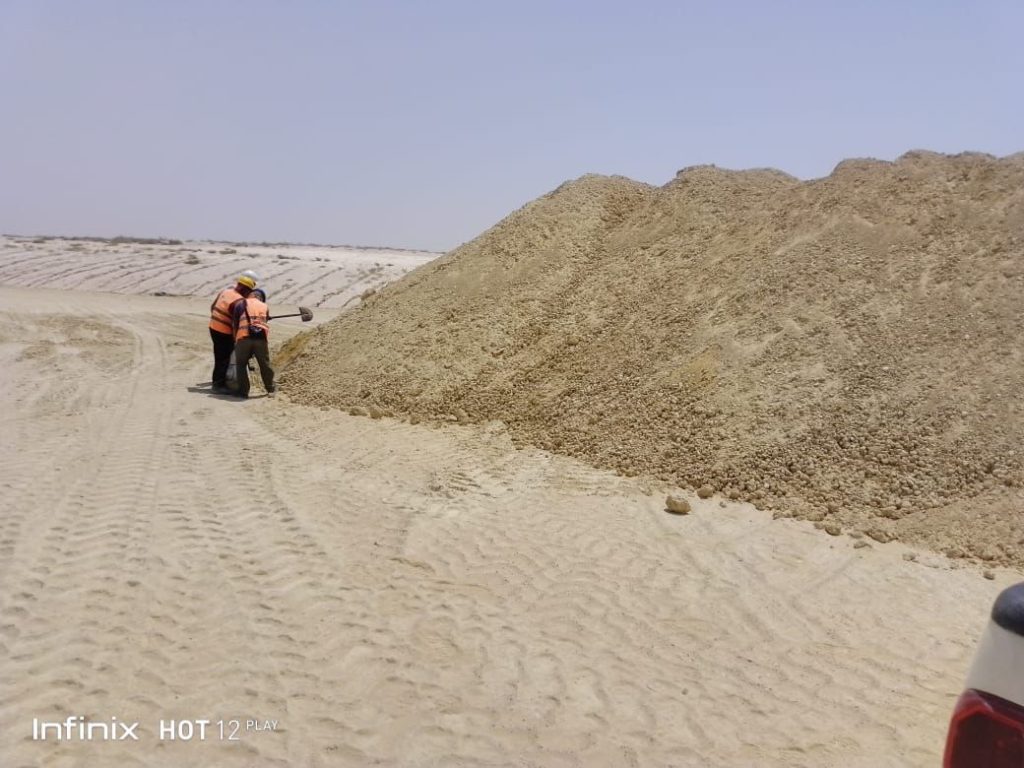
Backfilling Works
Backfilling is the act of replenishing or reusing the soil that is excavated in order to support and reinforce a structure, such as foundations or ground-bearing slabs. It is a component of the substructure of slabs, roads, walkways, and other groundwork parts, and it safeguards foundations.
Depending on the needs of the structure, backfill may consist of imported soil, boulders, and stones, or it may consist of the same soil that was removed during excavation. Ground studies will determine the necessity of backfilling, and the engineers will use this information to create a design. Backfill has a mass of m3.
Backfill with excavated material
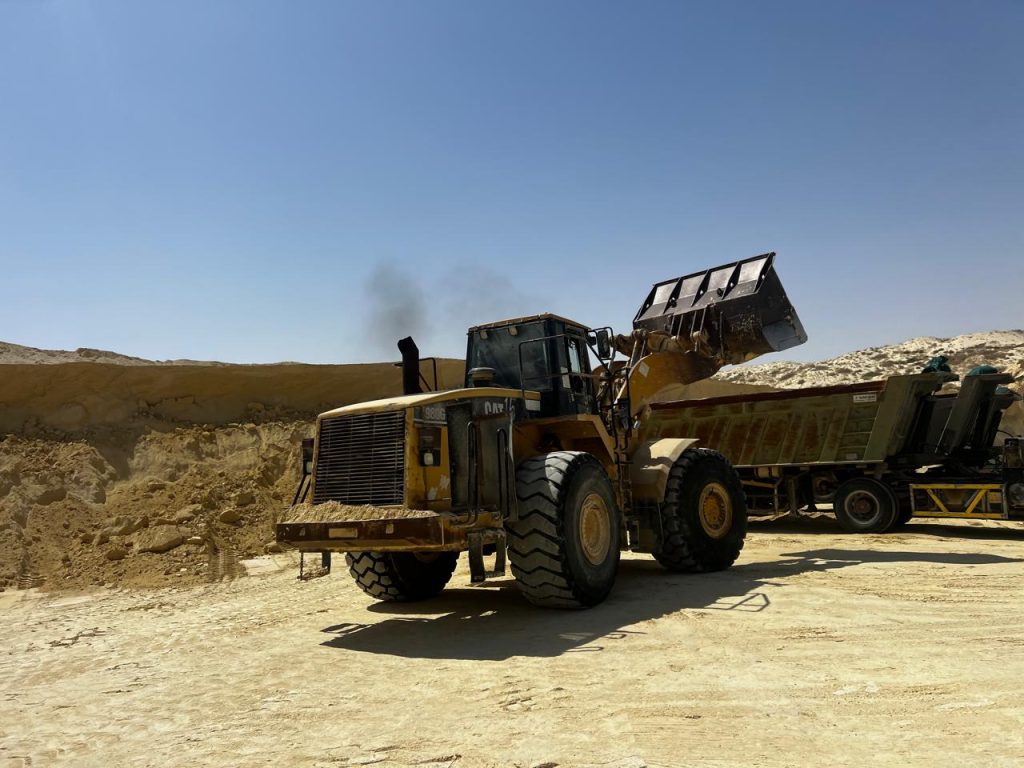
Soil that has been excavated is saved for use at a later time. The dirt that was previously set aside is utilized to backfill the foundation and other structural areas once concrete work, such as foundations, is finished. Extra dirt may be removed from the site or saved for use in a later phase of the project. Excavated material should be shielded from the weather while stored for eventual use. Stockpiling excavated material should be done by class or kind of material.
The viability of a backfill using excavated materials will depend on the site’s characteristics, soil composition, and design. For instance, certain locations can be so small that stockpiling isn’t a practical choice.
Backfill with imported soil
Every project and circumstance will have different structural needs, therefore using stronger material for backfilling may be required. The need for imported dirt may also be related to the site’s limitations.
Backfill materials can generally as:
- Select Fill Materials
- General Fill Materials
- Marl Materials
- Sub Base Materials
- Base Courses Materials
The backfill material must to be uniform, in accordance with the necessary specifications, and devoid of pockets and organic debris. The site should be inspected by an engineer to guarantee that only appropriate backfill material is being used.
Method for backfilling
Every project will have a different backfilling technique that is defined. The project’s engineers will decide this and include a description in the pertinent drawings and specifications. There will be distinct approaches for every aspect of the project’s groundwork; for example, the backfill specifications for trenches and supporting slabs on the ground will differ.
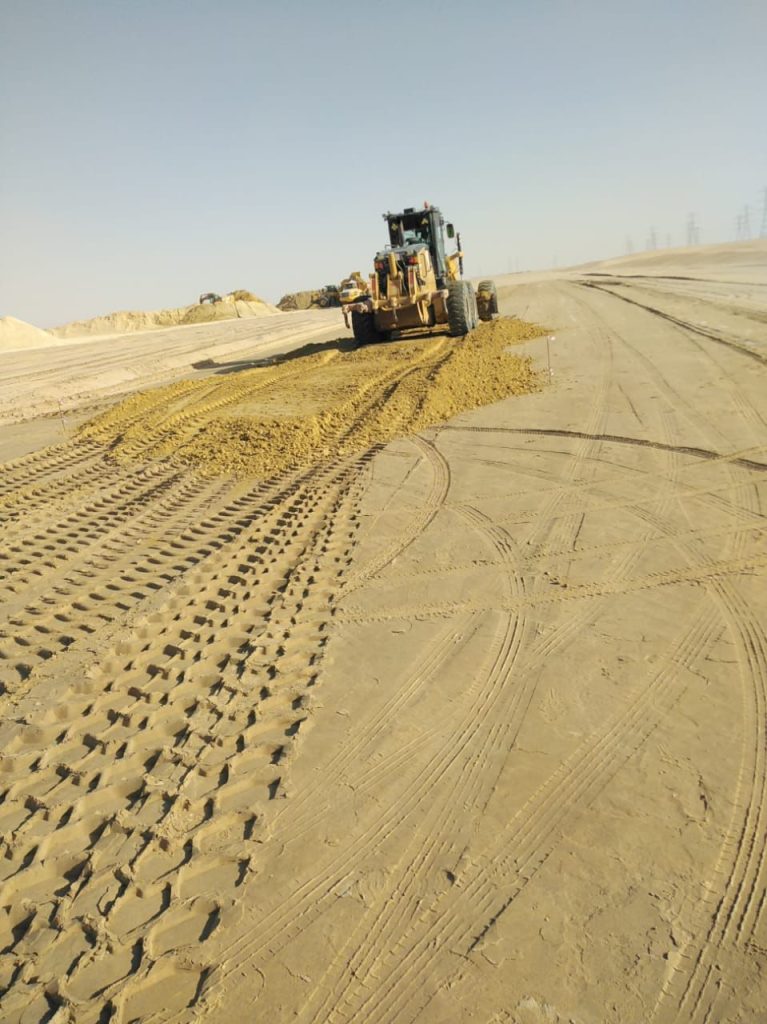
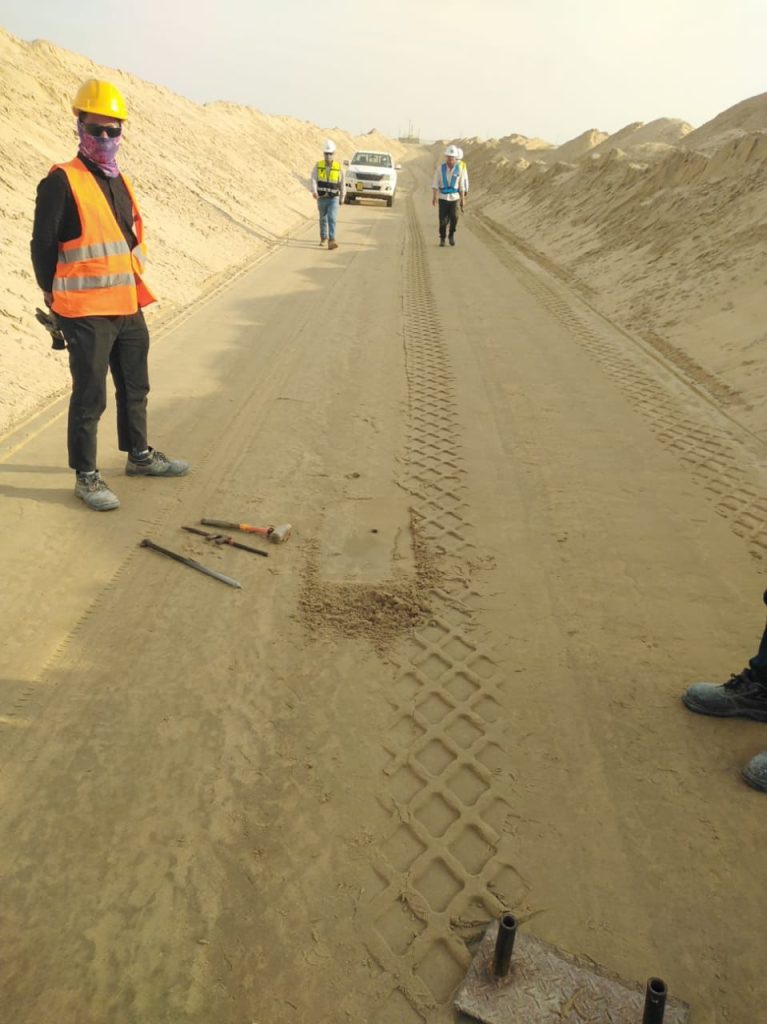
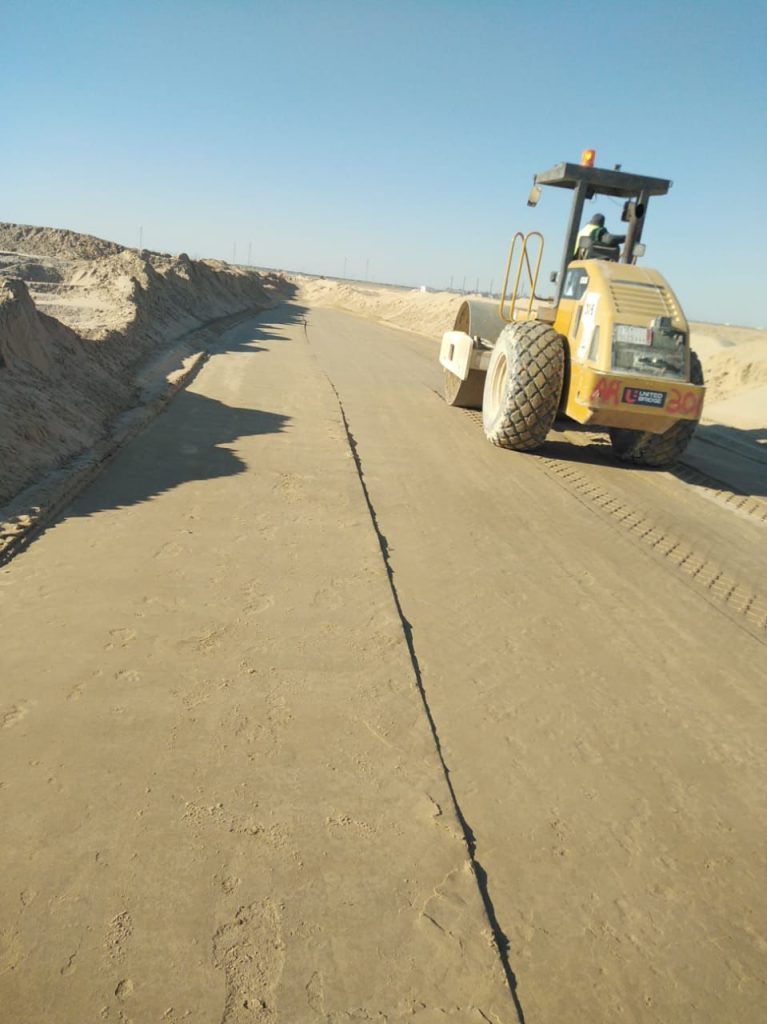
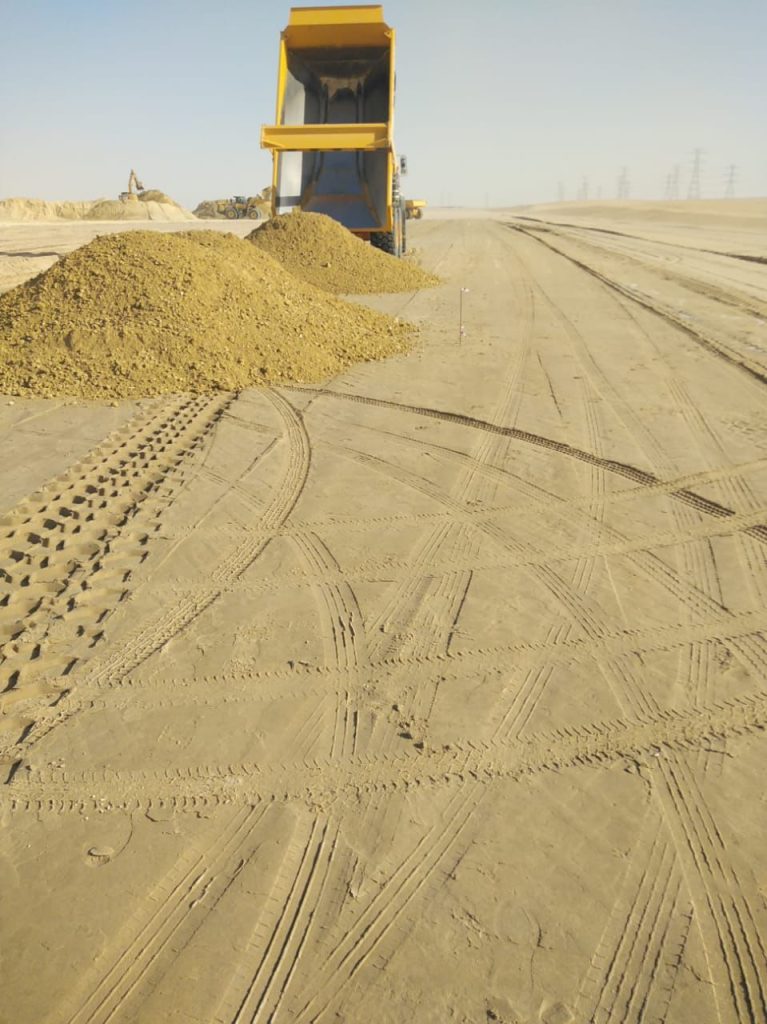
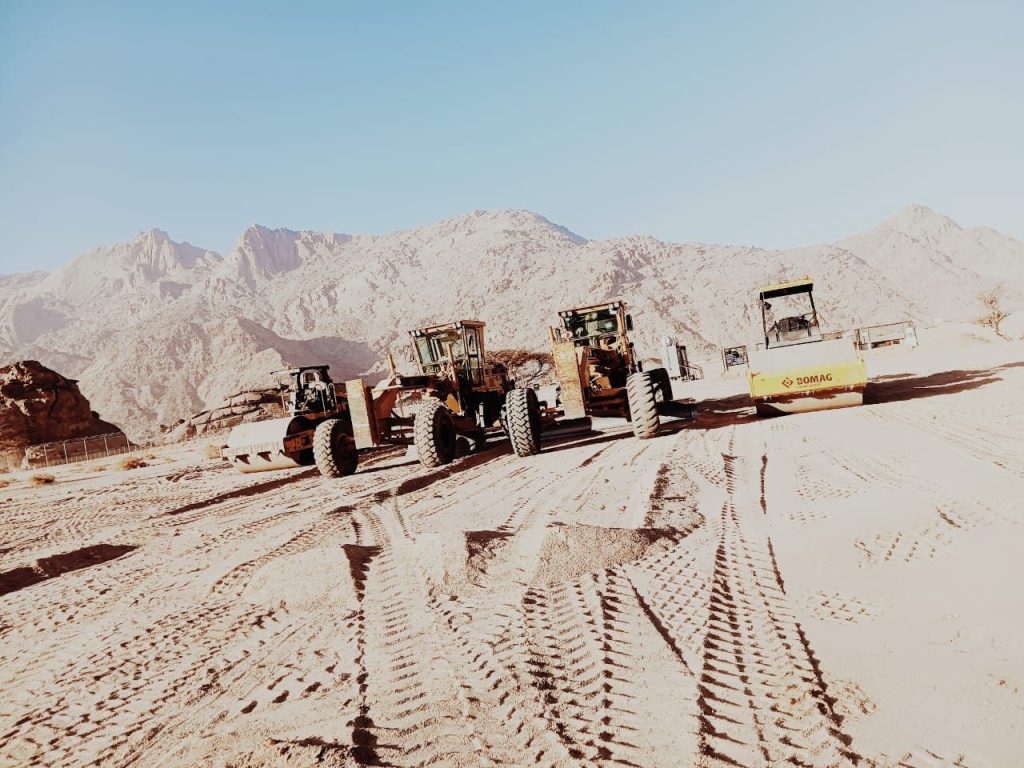
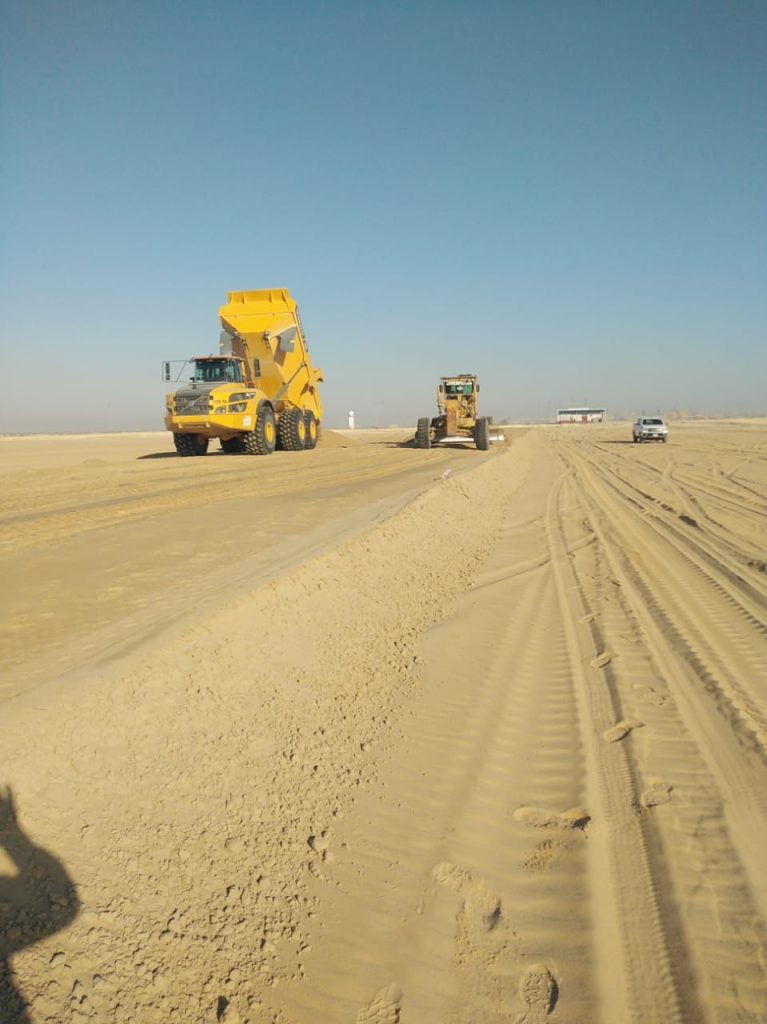
Generally, after the excavated sections have been compacted and cleared of debris, backfilling will take place in layers. All Layers must undergo testing using a Nuclear Method in order to meet project requirements.
The planning procedure should take into account the aspects of working in cramped spaces in order to determine the necessary backfilling methods.